What Is Attar? History, How It’s Made and How to Wear It
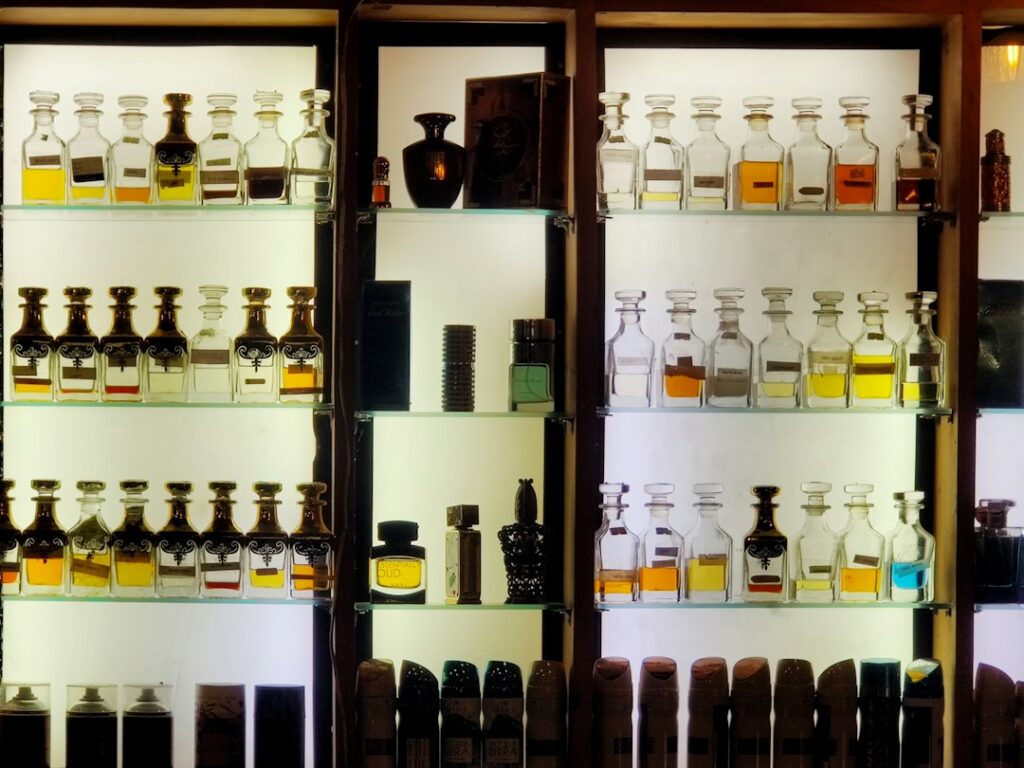
Short answer: attar (also written ittar or itr) is a perfume made in an oil base instead of alcohol. The traditional kind is made by distilling flowers, herbs or spices into sandalwood oil, then ageing it, sometimes for years. Today the word is used more widely for any concentrated, alcohol-free perfume oil worn in small dabs, which is how most people in Pakistan buy and wear it.
Attar is part of daily life here: before Jumma, at weddings, as an Eid gift, in the small glass bottles your grandfather kept in his pocket. This guide covers where it comes from, how the traditional kind is made and how to choose one today.
Where the word and the tradition come from
The word attar comes from Persian, linked to the idea of scent or perfume. The craft is far older than modern perfume. The Persian physician Ibn Sina (Avicenna) is credited with being the first to distil the scent of flowers. Centuries of refinement followed across Persia, Arabia and the subcontinent.

The Mughal court loved attar. Tradition credits Empress Nur Jahan with discovering rooh gulab, the pure attar of rose. Royal households used it in incense, in baths and in gifts. The same family of scents still fills the bazaars of Lahore, Delhi and Hyderabad today.
How traditional attar is made: deg and bhapka
The classic method is slow, and it’s still practised. Each step uses simple tools:
- The deg: a large copper still is filled with fresh flowers (rose, jasmine, kewra) and water, then sealed with clay.
- The heat: a wood fire heats the still gently, so the scented steam rises without scorching the petals.
- The pipe: the steam travels through a bamboo pipe into a second copper vessel, the bhapka.
- The base: the bhapka holds sandalwood oil and sits in cool water. The steam condenses, and the sandalwood oil absorbs the flower scent.
- Repeat and age: fresh flowers go in again and again over days or weeks. The finished attar is then aged, from one to ten years depending on the materials.
Master distillers called digahas run the whole process by smell and feel. The town best known for it is Kannauj in India, often called the perfume capital of India. It has more than 200 distilleries, and in 2014 Kannauj perfume received a Geographical Indication tag.
Warm attars and cool attars
Traditional perfumers split attars by season, and the idea still works well in our climate:
| Type | Typical scents | When to wear |
|---|---|---|
| Warm (garam) | Musk, amber, saffron (kesar), oud | Winter, evenings, cold-weather weddings |
| Cool (thanda) | Rose, jasmine, khus (vetiver), kewra, mogra | Summer, daytime, after Jumma in the heat |
If summer is your main worry, our guide to summer fragrance oils picks out the lightest options.
Traditional attar vs modern perfume oil
Most “attar” sold today, including in famous shops, is a modern perfume oil rather than a hydro-distilled one. That’s not a bad thing. Modern oils give you a much wider choice of scents, more consistency, and prices ordinary people can pay. Here’s the honest difference:
| Traditional attar | Modern perfume oil | |
|---|---|---|
| How it’s made | Flowers distilled into sandalwood oil | Blended from natural and lab-made materials |
| Scent range | Classic single flowers and spices | Anything, including famous designer perfumes |
| Consistency | Changes with each season’s flowers | The same in every bottle |
| Price | High for real rose or sandalwood | Affordable |
If you’re wondering how any oil compares to a spray bottle, see perfume oil vs spray.
How to wear attar
- Use the glass dipstick in the bottle and touch it to your wrists, behind your ears and on your beard or collar. One touch is enough.
- An old South Asian habit still works well: put a drop on a small piece of cotton and tuck it in your ear or a pocket. The scent stays with you all day without sitting on hot skin.
- Attar is alcohol-free, which is why many people prefer it for prayer and religious occasions.
- Darker attars can mark white cotton, so let them settle before you put on a white kurta.
Attar-style oils we’d suggest
- Mukhallat Harmain / Attr e Kaba: saffron, oud and amber, a classic warm mukhallat.
- Rose JS: rose, jasmine and musk, a cool attar for daytime.
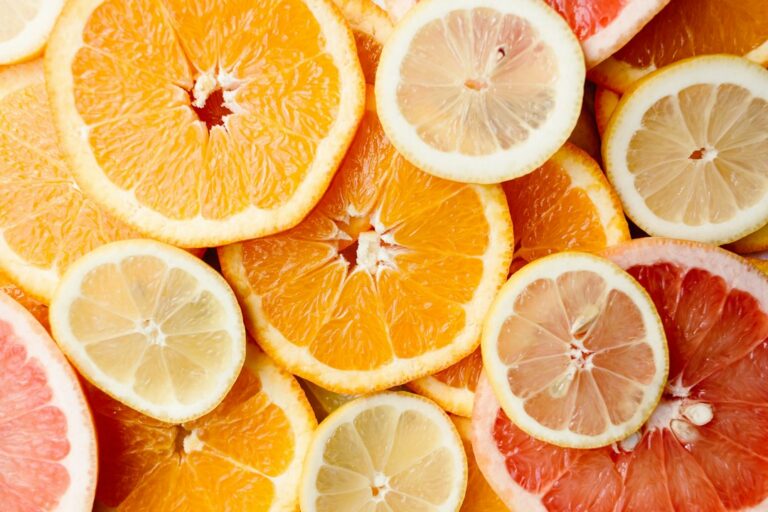
- Aseel: citrus, jasmine and musk, light enough for summer.
- Marj: saffron, agarwood and amber for evenings.
Oud deserves its own page, so we’ve written one: the best oud oils in Pakistan. For a gift, pour your choice into 6 ml attar bottles with glass sticks, or browse the Eid and wedding collection.
Choosing attar for a shaadi? Our wedding perfume guide suggests a scent for each event, from mehndi to walima. For attar and oud gift ideas, see the perfume gift guide.
Questions we get a lot
Is attar halal?
Attar is alcohol-free, which is the main reason many Muslims choose it for prayer. For a ruling on your own situation, ask a scholar you trust.
Why is real rose attar so expensive?
It takes thousands of kilograms of petals to make a small amount of rose oil, then weeks of distilling and years of ageing. Our fragrance vs essential oil guide has the numbers.
What is a mukhallat?
A mukhallat is a blended attar that mixes several materials, often oud, rose, saffron, amber and musk, instead of one single flower.
How long does attar last on clothes?
Much longer than on skin. A drop on a cotton collar or shawl can stay noticeable for days, especially with musk and oud, because fabric doesn’t warm up and burn the scent off the way skin does.
Sources
- Attar: history, production and warm and cool attars, Wikipedia.
- Kannauj: perfume industry and GI tag, Wikipedia.
- Photo: Omkar Jadhav on Unsplash.
Still not sure which oil to pick?
Answer five quick questions and get three oils to try, or build a sample set and test them at home before you buy a full bottle.
Written by the Aroma Lab team, Lahore
We blend, test and pack fragrance oils every day and answer hundreds of scent questions a week on WhatsApp. Last updated 12 October 2026.