How to Start a Perfume Brand in Pakistan
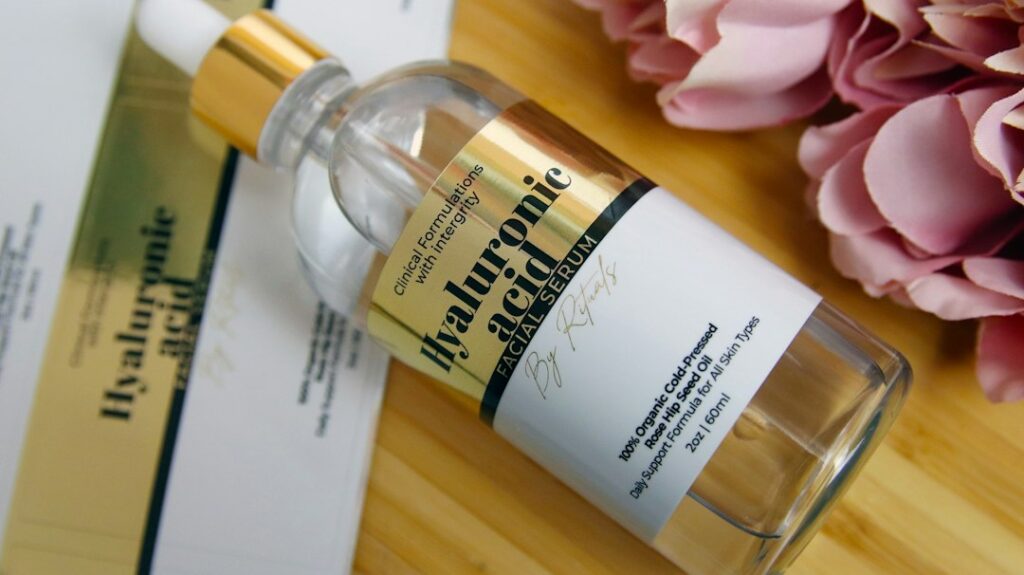
Short answer: you can start a small perfume brand in Pakistan without a factory. Pick a product type and three to five scents. Work out your cost per bottle. Then either fill bottles yourself from 1kg oils or use a private label service that fills, labels and packs them under your name. Most successful small brands start with one product, sell through Instagram and WhatsApp with cash on delivery, and expand once they know what sells.
We often work with first-time founders, from students selling attar to their university friends to boutiques launching a house scent. This is the practical path we’d follow ourselves.
Step 1: choose one product to start with
Each product type has a different cost, skill level and customer. Start with one you can make well.
| Product | Typical sizes | Difficulty | How to make it |
|---|---|---|---|
| Attar / perfume oil | 3, 6, 12 ml | Easiest: fill and cap | Attar guide |
| Roll-on | 6, 10 ml | Easy | Roll-on recipe |
| Eau de parfum spray | 30, 50, 100 ml | Medium: needs alcohol and resting time | Spray recipe |
| Scented candles | Jars and tins | Medium: needs testing | Soy candle guide |
| Reed diffusers | 100, 200 ml | Easy | Reed diffuser guide |
If you’re new to the materials themselves, our beginner’s guide to fragrance oil explains the types and strengths.
Step 2: pick a small, focused range
Three to five scents is plenty for a launch. A good starter range covers different families, so every customer finds something: one fresh, one floral, one amber or sweet, and one woody or oud. Our fragrance families guide helps you balance it.
Test before you commit. Order a sample set, live with each scent for a few days and ask ten people from your target customers which they’d buy. Their answers are worth more than your own favourite.
Step 3: work out your cost per bottle
Fragrance oil is often one of the biggest costs in a perfume, so start there. Here’s what the oil alone costs in a 50 ml eau de parfum at 20% strength (about 10 g of oil), using our current 1kg prices:

On top of the oil, get quotes for each of these before you set a price:
- alcohol (for sprays) or carrier oil (for roll-ons),
- the bottle, cap or pump: our accessories range covers spray, roll-on and attar bottles,
- label printing and a box,
- courier charges, plus cash-on-delivery returns, which every COD seller has to plan for,
- marketing: photos, ads and samples.
Price from your full cost upwards, never from a competitor’s price downwards. Add up everything per bottle, then make sure your selling price covers it with enough margin left for returns, discounts and growth.
Step 4: make it yourself, or use private label
| Fill it yourself | Private label | |
|---|---|---|
| Best for | Very small batches, testing the market | A finished, retail-ready product |
| You buy | 1kg oils, bottles, labels | Finished bottles with your brand on them |
| Your time | High: mixing, filling, labelling | Low: you focus on selling |
| Consistency | Depends on your process | Filled and checked by the supplier |
With private label, a supplier makes the product and you sell it under your own brand. That’s how many well-known store brands work. Our private label service fills, seals, labels and packs our oils under your name, with small starting runs welcome. The process runs from brief, to scent shortlist, to samples, to packaging, to quote, to production.
Step 5: name it and protect it
- Use your own name and design. Don’t put another company’s brand name or logo on your bottle, even if your scent is inspired by theirs. A trademark protects a brand’s name and look, and copying them can get your listings removed or worse.
- Check your name is free before you print anything. Search social media and online marketplaces, and look into registering your own mark with IPO-Pakistan.
- Get the basics in order: registration and tax for a growing business. Speak to an accountant or tax adviser about what applies to you.
This is general guidance, not legal or tax advice.
Step 6: launch small and listen
- Start with Instagram and WhatsApp, where a lot of fragrance buying in Pakistan already happens.
- Offer cash on delivery. It’s what most buyers expect, but confirm orders by message first to cut fake orders and returns.
- Include a tiny sample of a second scent with every order. It’s the cheapest way to sell your next bottle.
- Track which scent sells fastest, and reorder that one first.
- Add marketplaces and a website once your repeat orders are steady.
Questions we get a lot
How much money do I need to start a perfume brand?
It depends on your product and quantity. A small attar or roll-on launch needs far less than a boxed spray range. Price your first 50–100 bottles fully using the cost list above, and that is your starting budget.
What is the minimum order for private label?
For our service it depends on the bottle and packaging you choose. Small starting runs are welcome, and we confirm the minimum with your quote.
Can I sell perfumes “inspired by” famous brands?
Many sellers describe a scent style, but putting another company’s name or logo on your own product is risky. Build your own brand name and let the scent speak for itself. Take legal advice if you’re unsure.
Which scents sell best in Pakistan?
Our best sellers lean towards fresh woody scents, soft ouds and clean musks. Our best sellers are a good guide to what customers reorder.
Sources
- Private label, Wikipedia.
- Trademark, Wikipedia.
- Prices, sizes and private label process from Aroma Lab, October 2026.
- Photo: Sticker it on Unsplash.
Still not sure which oil to pick?
Answer five quick questions and get three oils to try, or build a sample set and test them at home before you buy a full bottle.
Written by the Aroma Lab team, Lahore
We blend, test and pack fragrance oils every day and answer hundreds of scent questions a week on WhatsApp. Last updated 11 October 2026.